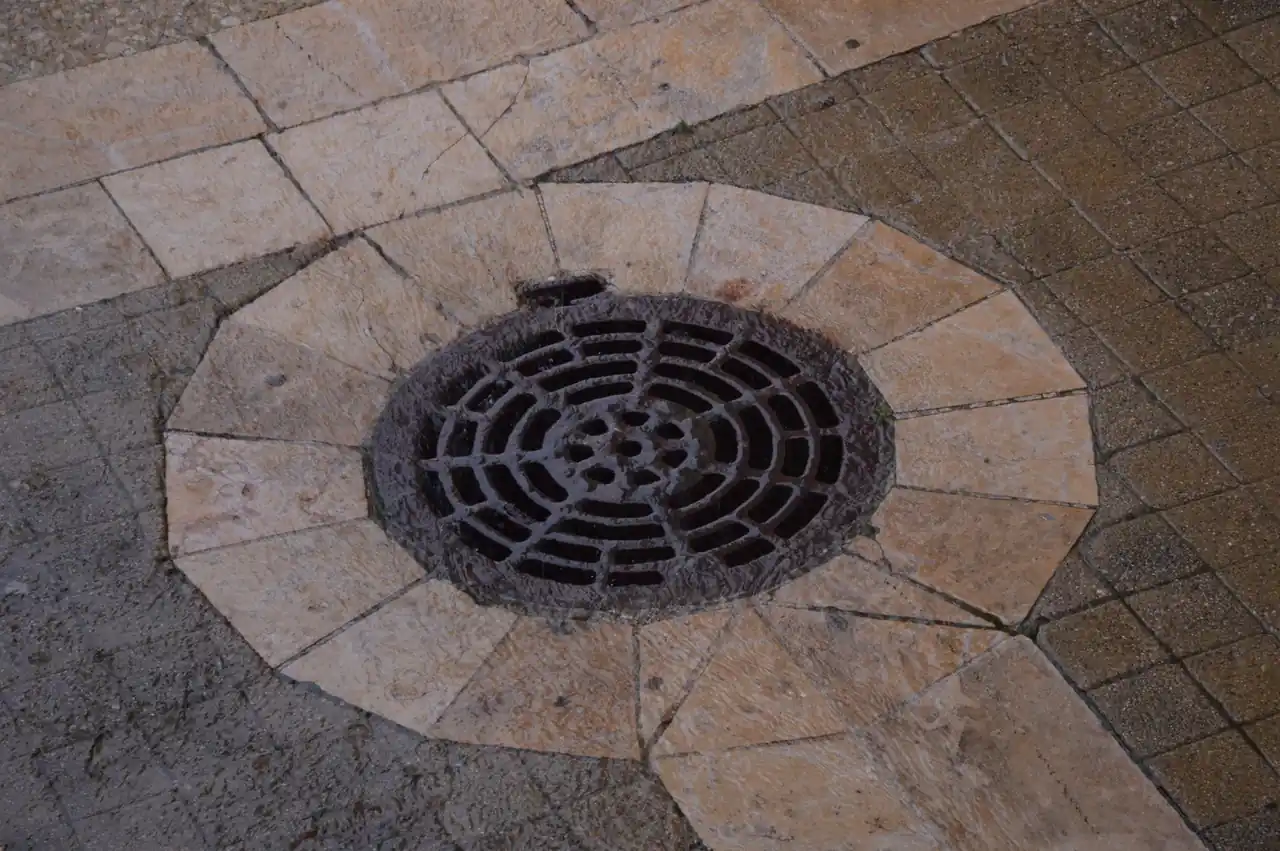
Sump Pump Maintenance
Sump Pump Maintenance Grand Rapids MI That Prevents Basement Flooding
Sump Pump Maintenance Grand Rapids MI is the once-a-year service that keeps your pump running when the spring thaw hits. We test the float switch, clear the impeller, check the check valve and discharge line, and confirm your backup system will hold. If you own a home in Kent County, this is the cheapest insurance against a flooded basement. Call (616) 616-8292.
Service overview
What Sump Pump Maintenance Grand Rapids MI Actually Involves
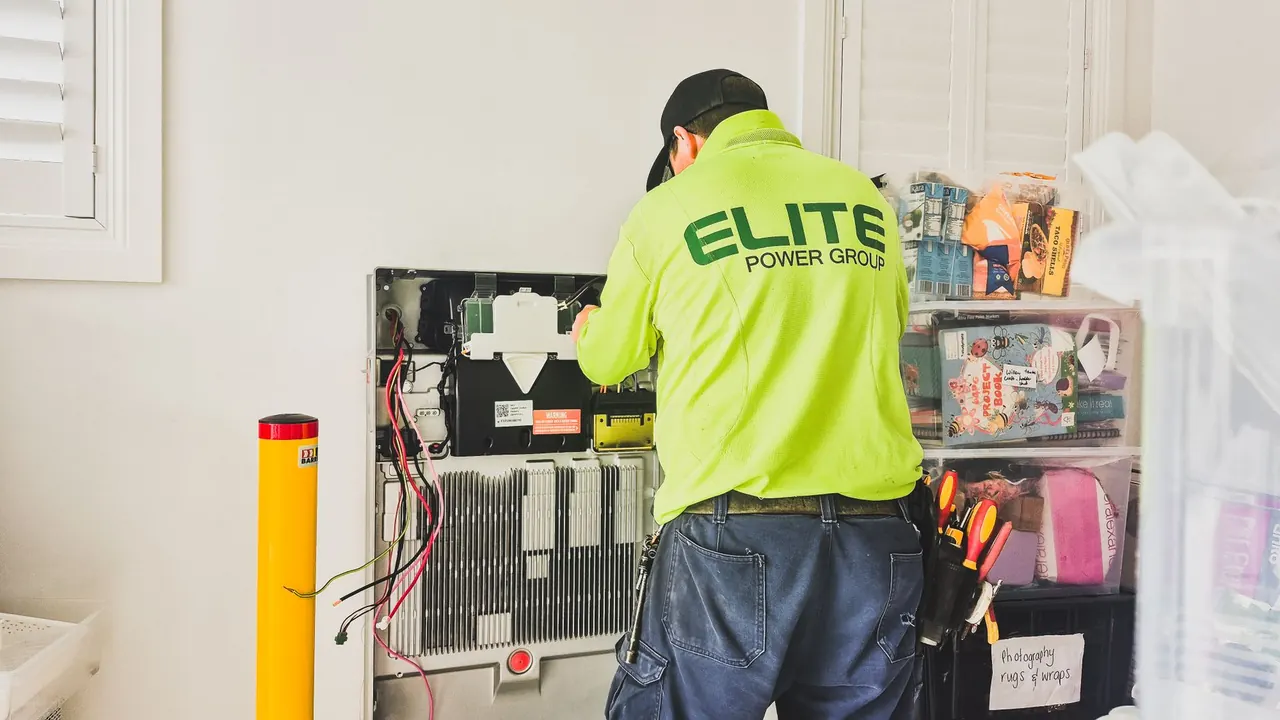
Sump Pump Maintenance Grand Rapids MI is a scheduled service that inspects, cleans, and tests every part of your basement dewatering system before it fails. We pull the pump from the sump pit liner, scrub the impeller and intake screen, test the float switch through a full cycle, and check the check valve for backflow. A multimeter confirms the motor is drawing normal amps, and an inspection camera looks down the discharge pipe for scale or ice damage. Most visits run 60 to 90 minutes.
Grand Rapids sits on clay-heavy soil and gets a hard freeze-thaw cycle every March. That combination sends thousands of gallons into basement sump pits across Kent County each spring. A pump that sat idle all winter can seize, trip a breaker, or burn out its motor on the first heavy rain. Scheduling a sump pump tune-up Grand Rapids MI in fall or early winter means the pump is ready before the water arrives, not after.
Practical benefits
Why Grand Rapids Homeowners Schedule Annual Maintenance
A working sump pump is the difference between a damp floor and a $10,000 cleanup. These are the outcomes our Grand Rapids customers see after a routine visit.
Avoid Basement Flooding
A stuck float switch is the number one cause of flooded basements in Grand Rapids. During an annual sump pump maintenance Grand Rapids Michigan visit, we cycle the float 20 times and replace any switch that hesitates. Catching it on a Tuesday afternoon beats discovering it at 2 a.m. during a storm.
Extend Pump Lifespan
Most submersible pumps last 7 to 10 years. Cleaning the impeller and checking the motor amps each year routinely pushes that to 12 or more. That is one replacement you do not pay for. We track the numbers on every visit so you can see the trend before it becomes a failure.
Protect Backup Systems
Battery backup and water-powered backup pumps only work if someone tests them. We load-test the battery, check the charger output, and verify the backup float engages when the primary pump is unplugged. A backup that has never been tested is a backup you cannot count on.
Catch Small Repairs Early
A cracked pit liner, a weeping check valve, or a discharge line pitched wrong all show up during a tune-up. Fixing a $40 check valve during maintenance is cheaper than replacing a burned-out motor and a wet furnace later. We quote the repair before we touch anything.
How service works
Our Sump Pump Maintenance Process, Step by Step
Every visit follows the same five steps. You get a written report with photos and amp readings before we leave the driveway.
STEP 01
Pit Inspection
We lift the lid and inspect the sump pit liner for cracks, sediment, and gravel intrusion. Standing water level tells us whether the pump is short-cycling. We photograph the pit and note the water line. Takes about 10 minutes.
Tools and methods
Tools and Methods We Use on Every Visit
Ridgid Inspection Camera
We run the camera down the discharge line to spot scale, cracks, and ice damage you cannot see from the pit. It also confirms the line is clear before we button up.
Milwaukee Multimeter
Amp draw testing is how we catch a motor on its way out. Readings within 10 percent of the nameplate rating mean the motor is healthy. Anything higher gets flagged for replacement.
Pipe Wrench and PVC Cutters
Used to break down discharge line joints, replace check valves, and re-cut PVC pipe to the correct length. Every truck carries two sizes.
Wet/Dry Vacuum
We vacuum sediment, gravel, and standing water out of the sump pit liner before inspection. A clean pit lets the pump sit level and keeps the intake screen clear.
Battery Load Tester
Tests backup batteries under real load, not just voltage. A battery reading 12.6 volts can still fail under load. We test it the way the pump will use it.
Float Switch Test Rig
Lets us cycle a float switch through its full range 20 times in the shop or on the truck. A switch that hesitates once gets replaced.
Amp Draw Baseline Tracking
We record motor amp draw on every visit and compare it to the previous year. A slow climb from 5.5 to 7 amps tells us the motor is wearing out long before it fails. You see the trend in your written report.
Full-Cycle Float Testing
A float switch that works once might fail on the tenth cycle. We run every switch through at least 20 full cycles. Any hesitation, sticking, or failure to trigger means replacement on the spot.
Discharge Line Pitch Verification
Water that sits in the discharge line freezes in a Grand Rapids January. We check pitch with a level and confirm the line drains fully between cycles. Low spots get re-pitched or cut out.
Backup Load Testing
We unplug the primary pump and let the backup run under real load. Battery voltage, charger output, and alarm function get checked together. A backup that has never been load-tested is not a backup.
Michigan Code Compliance Check
Every installation and repair gets checked against Michigan Residential Building Code and Michigan Plumbing Code. Discharge points, check valve placement, and electrical connections all have to pass.
Where this service fits
When Grand Rapids Homeowners Book Maintenance
You bought a Grand Rapids home and have no service history on the sump pump.
We run a full baseline maintenance visit: pull the pump, test the float, check the valve, and document amp draw. You get a written report showing the pump's actual condition, not the seller's word for it. You know exactly what you own and what it needs. If the pump is near end of life, you find out in October instead of during an April storm.
Your pump is more than seven years old and has never been serviced.
We clean the impeller, test the motor amps, and inspect the pit liner and check valve. If amp draw is climbing, we tell you straight whether a replacement makes more sense than another season of repairs. You either get several more years from the pump or replace it on your schedule, not during an emergency call at 2 a.m.
You have a battery backup system that has never been load-tested.
We unplug the primary pump, let the backup run, and check battery voltage, charger output, and alarm function. A backup that fails under load gets repaired or replaced before storm season. When the power goes out in a Grand Rapids thunderstorm, the backup actually runs. That is the whole point of having one.
Your basement flooded last spring and you never found out why.
We inspect the full system: float switch, impeller, check valve, discharge line, and pit condition. Most mystery floods trace back to a stuck float or a check valve that failed quietly months earlier. You get a clear answer and a fixed system. Our preventative sump pump maintenance Grand Rapids customers rarely see a second flood.
Local execution
How Sump Pump Maintenance Runs in Grand Rapids
Grand Rapids basements deal with two things most of the country does not: clay soil that holds water and a hard freeze-thaw cycle that starts in late March. That means your pump sits idle for four months, then gets hit with thousands of gallons in a matter of days. The pumps that survive that pattern are the ones serviced in fall. We schedule most annual sump pump maintenance Grand Rapids Michigan visits between late September and mid-November, before the ground freezes and the discharge line becomes a liability. Homes in Heritage Hill and Eastown often have original clay tile drains that feed the sump pit, which means more sediment and a faster-clogging impeller. Newer builds in Alger Heights and Caledonia tend to have cleaner pits but undersized pumps for the water table. We size and tune accordingly. If you are searching for spring sump pump maintenance Grand Rapids, call us in March before the thaw peaks. Michigan Plumbing Code governs the discharge point and check valve placement, and we verify both on every visit.
Heritage Hill
Century-old homes with original clay tile drains. Pits fill with sediment faster, so we vacuum the liner and clean the impeller on every visit.
Eastown
Older basements with shallow pits and pedestal pumps. We check the column seal and float rod alignment, which wear faster on these units.
Creston
Homes near the Grand River see higher water tables in spring. We verify pump capacity matches the inflow and test backup systems under load.
Alger Heights
Mid-century builds with concrete pits. We inspect for cracks and floor joint seepage, which show up after decades of freeze-thaw.
West Side
Many homes have exterior discharge lines that freeze in January. We check pitch and clear the outlet before the first hard freeze.
Clay-heavy soil across Kent County
Water drains slowly and reaches the sump pit in bursts after heavy rain. Pumps need to handle high inflow for short periods, which stresses the motor and float switch.
Freeze-thaw cycle from late March
Ground thaws fast and sends meltwater to foundations. A pump that sat idle all winter is at its most vulnerable during this two-week window.
Aging clay tile drain systems
Older Grand Rapids neighborhoods have drains that crumble and feed sediment into the pit. Impellers clog faster, so annual cleaning matters more here than in newer areas.
Winter power outages from ice storms
Backup systems get used more in Grand Rapids than in milder climates. We load-test every backup battery and charger on each maintenance visit.
Problems we solve
Sump Pump Problems We Fix in Grand Rapids
Most pump failures follow a predictable pattern. Catching them during a maintenance visit is cheaper and drier than catching them during a storm.
Sump pump not turning on during heavy rain
We test the float switch and motor on every visit. If the switch sticks or the motor fails to start, we replace the failed part the same day. Amp draw testing catches a dying motor before it quits entirely. Water rises in the pit, overflows the liner, and spreads across the basement floor within an hour. Carpet, drywall, and stored belongings soak before you notice.
Pump runs constantly without moving water
We pull the pump, clear the impeller, and test the check valve for backflow. If the valve is letting water return to the pit, we replace it with a new PVC or brass valve and reseal the joints. The motor overheats and burns out, and your electric bill climbs. A pump running dry is usually a clogged impeller or a failed check valve letting water drain back.
Loud grinding noise from the sump pit
We remove the pump, clear the debris, and inspect the impeller for damage. If the impeller is scored, we replace it. We also vacuum the pit so gravel cannot get back in. Grinding means debris or gravel is inside the impeller housing. Left alone, it scores the impeller and burns out the motor within weeks.
Frozen discharge line in January
During fall maintenance we check the exterior outlet, confirm the line is pitched to drain fully, and flag any low spots where water sits and freezes. Fixing the pitch in October prevents the January call. Ice blocks the pipe, the pump cannot push water out, and it either overheats or floods the basement. This is the most common winter failure in Grand Rapids.
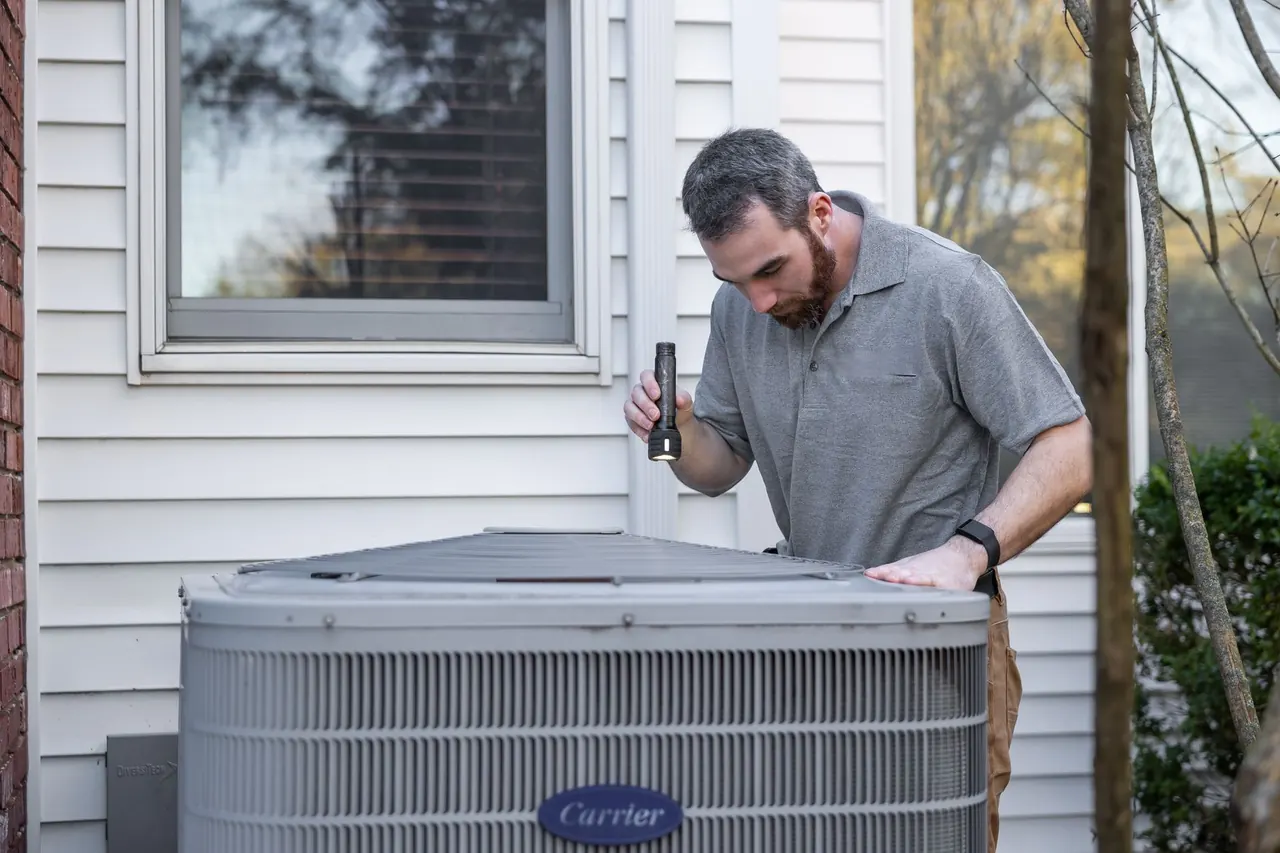

A practical standard for every visit.
Clear planningPrepared arrivalsCareful workLocal follow-through
Experience in the details
Eleven Years Servicing Grand Rapids Sump Pumps
The Sump Pump Experts has been servicing basement dewatering systems in Grand Rapids since 2015. Our technicians work on Zoeller, Liberty Pumps, Wayne, Little Giant, Flotec, Everbilt, Superior Pump, and Basement Watchdog units every week. We hold state-licensed plumbing contractor credentials and follow Michigan Residential Building Code and Michigan Plumbing Code on every repair. We have completed more than 4,000 maintenance visits across Kent County, and we carry the tools to fix what we find on the same trip.
- Licensed plumbing contractor serving Grand Rapids and Kent County since 2015.
- Factory-trained on Zoeller, Liberty Pumps, Wayne, and Basement Watchdog systems.
- More than 4,000 sump pump maintenance visits completed across West Michigan.
- Code-correct work under Michigan Residential Building Code and Michigan Plumbing Code.
- Same-day repair capability on float switches, check valves, and discharge lines.
Where we work
One local team. A lot of ground covered.
Downtown Grand RapidsHeartsideHeritage HillEastownEast HillsCherry HillMidtownWealthy StreetCrestonBelknap LookoutWest GrandWest Side
Check my address Notes from local customers
What Grand Rapids Homeowners Say
Our 1920s basement had a pump that ran nonstop. The tech pulled it, cleaned a clogged impeller, and replaced a check valve that was letting water back in. Amp draw dropped from 8.2 to 5.9. The pump has run normally for eight months since. Worth every dollar.
I called after a neighbor flooded in the March thaw. They tested my float switch, found it sticking, and swapped it the same visit. Also load-tested the battery backup I had never checked since we moved in. Report was in my inbox before they left the driveway.
Frozen discharge line killed my pump last January. This time I scheduled fall maintenance. They cleared the exterior outlet, re-pitched the PVC, and confirmed the backup engages. No issues through the whole spring melt. I am on the annual plan now.
A standard maintenance visit in Grand Rapids runs $180 to $320 in 2026, depending on pump type and pit condition. Submersible pumps sit at the lower end; pedestal pumps with battery backup systems take longer and cost more. That price covers the full inspection, cleaning, float test, and written report. Repairs are quoted separately before we start.
Once a year, and the best window is late fall before the ground freezes. Grand Rapids gets its heaviest water in March and April during thaw, so a pump serviced in October or November is ready when it matters. If your pump runs more than 20 times a day during wet season, switch to twice-a-year service.
A tune-up includes pit inspection, pump removal and impeller cleaning, float switch cycling, amp draw testing with a multimeter, check valve and discharge line inspection, and a backup system test if you have one. You get a written report with photos and readings. Most visits take 60 to 90 minutes from arrival to driveway.
Yes. Our annual plan covers one full maintenance visit per year, priority scheduling during storm events, and a reminder when your next service is due. Plan customers get first access to evening and weekend slots when a pump fails. Call (616) 616-8292 and we will set the first visit around your schedule.
Keep exploring
Related Sump Pump Services in Grand Rapids
Your next step is waiting
Book Sump Pump Maintenance Grand Rapids MI Today
One visit now beats a flooded basement in March. We are licensed, insured, and have serviced Grand Rapids sump pumps since 2015. Call (616) 616-8292 and we will get you on the schedule this week.
Start with the basics
Contact The Sump Pump Experts
Call us at +16166168292 or email info@thesumppumpexperts.com. We answer the phone during business hours and return after-hours messages first thing the next morning. If your basement is flooding, call, do not email. We serve Grand Rapids and Kent County with same-day service on most calls.