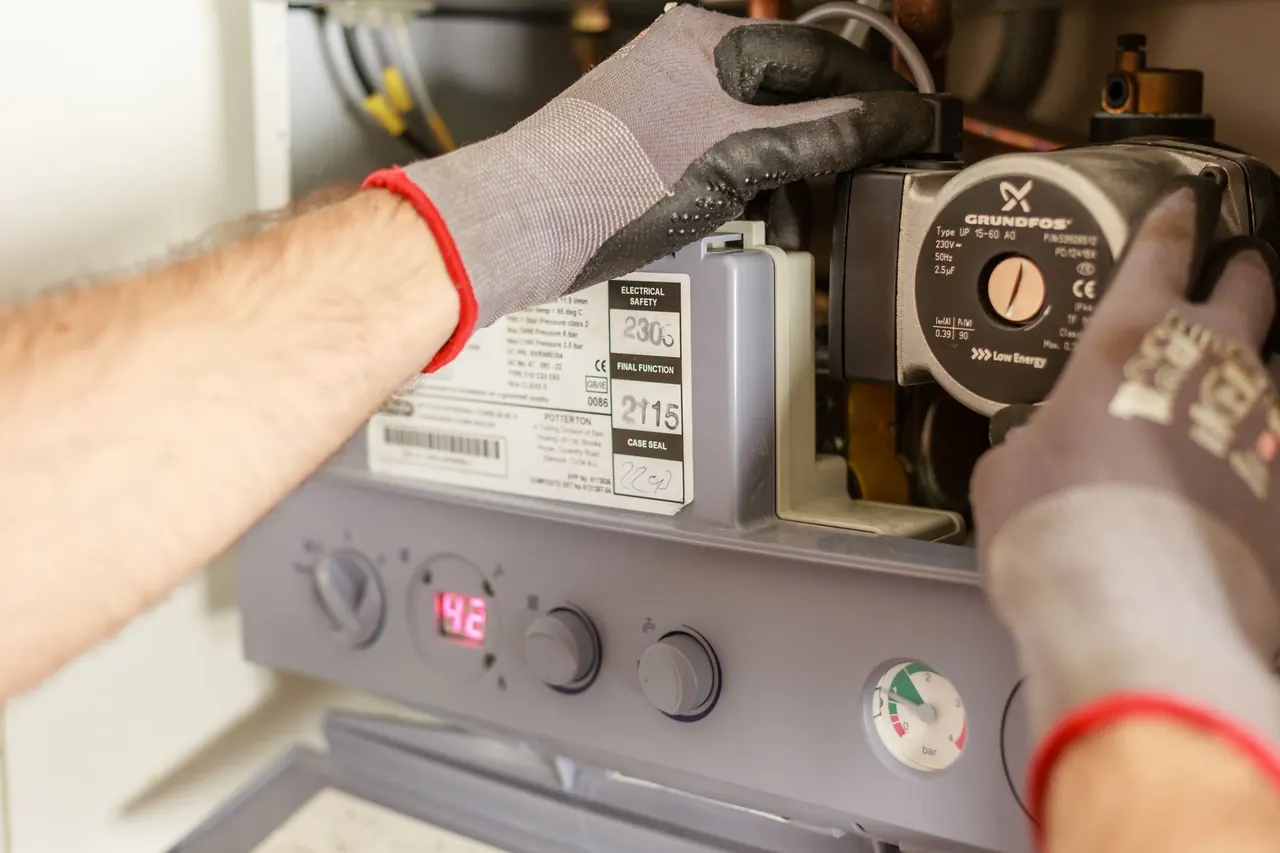
Sump Pump Alarm Installation
Sump Pump Alarm Installation Grand Rapids MI
Sump Pump Alarm Installation Grand Rapids MI gives you a loud, early warning the moment water climbs past your pump's safe line. We install float-activated and high water alarm systems on existing pits, new pumps, and battery backup setups across Kent County. If your basement has ever taken on water during a spring thaw or a 2 a.m. storm, this is the cheapest insurance you can bolt to the wall.
Service overview
Sump Pump Alarm Installation Grand Rapids MI
Sump Pump Alarm Installation Grand Rapids MI is the job of mounting a water-sensing alarm inside or above your sump pit so it screams before the pit overflows. We set a float switch or conductance probe at a height just above your pump's normal shut-off, wire it to a 9-volt or hardwired horn, and test it with real water. Most homes get a high-level float plus a separate low-level or power-loss alert, so you know whether the pump quit, the float stuck, or the power died.
Grand Rapids basements flood for boring reasons. A frozen discharge line in February, a stuck float switch after a summer of grit, or a tripped breaker during a July thunderstorm all end the same way: two inches of water on the floor and a ruined furnace. A high water alarm installation in Grand Rapids MI buys you 10 to 30 minutes to react. If you have been searching for sump pump alarm installation near me Grand Rapids MI, we cover the whole city and most of Kent County.

Practical benefits
Why Grand Rapids Homeowners Add an Alarm
An alarm does not pump water. It tells you the pump failed while you can still do something about it. Here is what that is worth in a Grand Rapids basement.
Warning Before the Flood
A high water alarm installation Grand Rapids MI triggers at roughly 1 to 2 inches above the pump's cut-in level, which is usually 10 to 20 minutes before the pit tops out. That is enough time to kill the breaker, swap in a backup pump, or move boxes off the floor.
Catches a Dead Pump
Sump pumps fail quietly. A burned motor, a clogged impeller, or a stuck float switch leaves the pit filling with nothing but silence. A sump pump alarm install Grand Rapids homeowners can hear from the second floor turns that silence into a 95-decibel horn you cannot ignore.
Power-Outage Coverage
When the grid drops in Creston or Alger Heights, your pump stops with it. We wire alarms that read battery backup system voltage, so the horn sounds the moment your Basement Watchdog or Liberty Pumps backup stops holding. That single feature has saved more finished basements than any pump upgrade.
Cheap Compared to Water Damage
A typical sump pump alarm installation cost Grand Rapids Michigan runs a fraction of what a flooded basement costs to dry out and rebuild. For most homes the alarm pays for itself the first time it fires, even if all you lose is a rug and a Saturday.
How service works
How Our Alarm Installation Process Works
We keep this simple. One visit, one test, one working alarm. Here is exactly what happens from the phone call to the final water test.
STEP 01
Phone Assessment
You call, we ask four questions: pit size, pump brand, backup type, and whether the pit has a lid. That tells us which alarm fits and whether we need a hardwired or battery unit on the truck. Most calls take five minutes and you get a straight price before we roll.
Tools and methods
Tools and Methods We Use
Multimeter
We test float continuity, horn voltage, and backup battery output before and after mounting. A float that reads open when it should read closed gets replaced on the spot.
Inspection Camera
For pits with a lid and no easy view, we drop a camera to check float travel, look for grit on the impeller, and inspect the pit liner for cracks before we set the sensor height.
Ridgid and Milwaukee Hand Tools
Pipe wrenches, drivers, and cutters for mounting brackets, conduit, and any discharge line work that comes up during the visit. We carry both brands on every truck.
Hose and Test Bucket
The live water test is not optional. We fill the pit with a hose until the alarm fires, then time the reset. Test buttons do not prove a float works under real water.
Zoeller and Liberty Pumps Alarm Kits
We stock float-activated and high-level alarm kits from brands we trust for Grand Rapids pits. If you prefer a specific brand, tell us when you book and we will bring it.
Sensor Height Calibration
We measure your pump's actual cut-in and shut-off levels, then set the alarm sensor 1 to 2 inches above the shut-off. That gap gives the pump room to catch up on heavy inflow without a false alarm, while still warning you well before the pit tops out.
Live Water Test
Every install ends with a hose filling the pit until the horn sounds. We watch the reset, check for chatter, and confirm the horn is loud enough from the floor above. If it fails, we fix it before we pack up.
National Electrical Code Wiring
Hardwired alarms tie into a dedicated circuit with proper grounding and conduit. We follow the National Electrical Code and pull a local permit when the job requires one, so the install passes inspection if you sell the home.
Backup System Integration
For homes with a battery backup system or water-powered backup, we wire the alarm to read backup status. A dead battery or failed charger triggers the horn, which is the failure most homeowners never see coming.
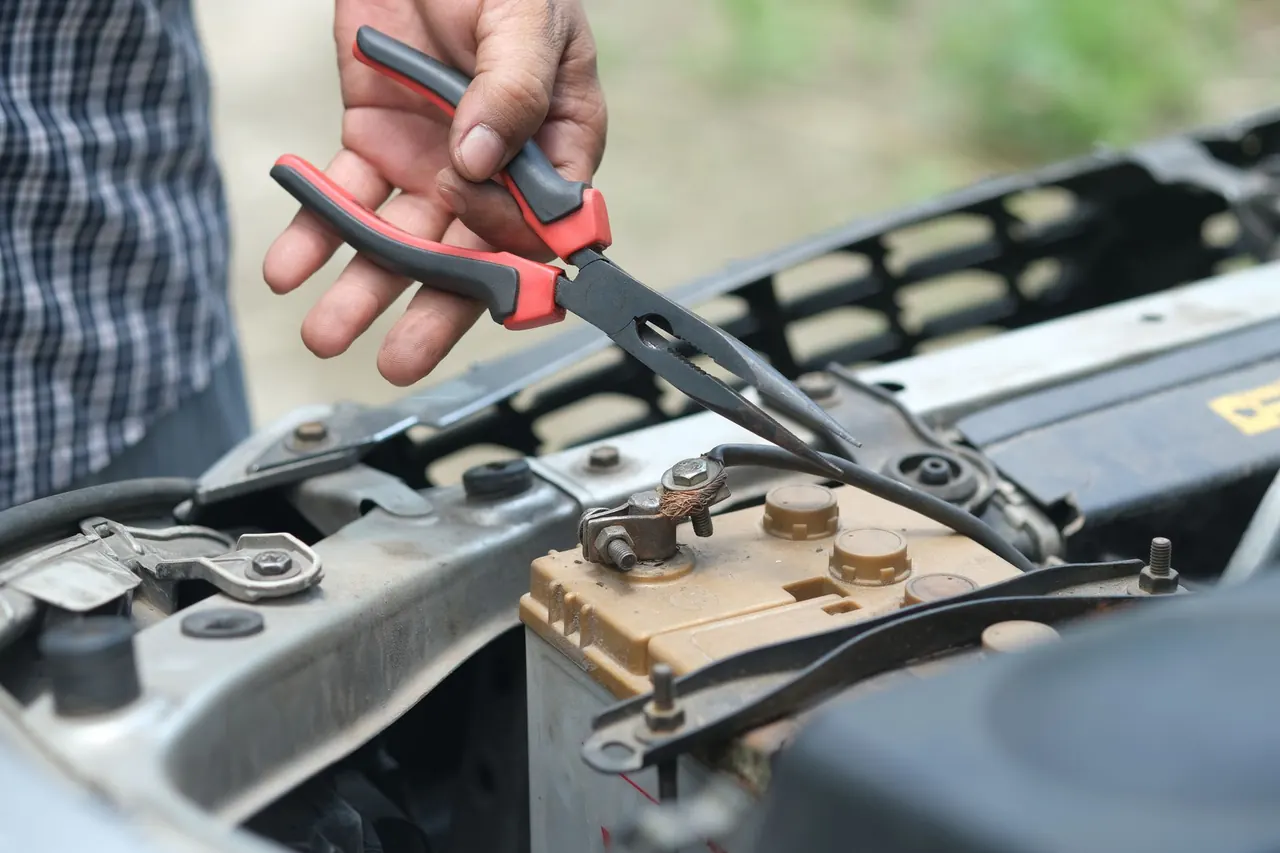
Where this service fits
When Grand Rapids Homeowners Add an Alarm
A finished basement with a furnace, water heater, and stored furniture sitting on the floor.
We install a high water alarm with a remote horn upstairs and a battery-backup voltage monitor. The sensor sits above the pump's shut-off, and we test it with a hose until it fires. You get 10 to 30 minutes of warning before water reaches the floor, enough time to move valuables and shut down the furnace.
An older Heritage Hill or Eastown home with a cast iron pump and a cracked pit liner.
We repair or reline the pit, service the pump, and mount an alarm at the correct height for that pump's cut-in level. We also check the check valve and discharge line while the pit is open. The pit holds water where it should, the pump runs normally, and the alarm covers the one failure you cannot see coming.
A homeowner who travels and cannot check the pit during spring storms.
We install an alarm with a loud exterior horn and, where the setup allows, a battery backup monitor. We walk you through the test button and set a monthly reminder. A neighbor hears the horn if you are out of town, and you come home to a dry basement instead of a mold problem.
A home in Creston or Riverside Park with a high water table and a pump that runs every 15 minutes in spring.
We set the alarm sensor lower than usual because the pit refills fast, and we verify the pump can keep up with the inflow. If it cannot, we quote a replacement or a backup on the same visit. You know within minutes if the pump falls behind, instead of finding out when the floor is wet.
Local execution
How Sump Pump Alarm Installation Runs in Grand Rapids
Grand Rapids sits on a mix of river-adjacent low ground and older clay-heavy neighborhoods, and both shape how we set alarms. Homes in Creston, Riverside Park, and Belknap Lookout sit closer to the Grand River and see higher water tables, so pits refill fast and we set sensors lower. Heritage Hill and Eastown have 1920s pits with cast iron pumps that need a taller sensor setting because their cut-in levels run higher. Winter is the other factor. From December through March, discharge lines freeze, and a frozen line means the pump runs but moves no water. We check for low spots in the discharge pipe during every visit and flag them. If you need sump pump alarm installation in Black Hills Grand Rapids MI or anywhere in Kent County, we cover the whole city. Michigan Residential Building Code and Michigan Plumbing Code both apply to the pit and discharge work, and we pull permits when wiring changes are involved. Most installs take 90 minutes to two hours, and we test with real water before we leave.
Heritage Hill
Older homes with deep, narrow pits and cast iron pumps. We set sensors higher here because those pumps cut in at a higher water level than modern submersibles.
Creston
Higher water table and more freeze-thaw on discharge lines. We check for low spots in the pipe and set alarms to catch a blocked line early.
Alger Heights
Many finished basements with furnaces on the floor. We mount remote horns upstairs so the alarm is audible from the bedroom.
Black Hills
Sloped lots that push groundwater toward the foundation. Pits here refill quickly in spring, so we verify the pump can keep up before setting the sensor.
Eastown
A mix of older pits and newer submersible pumps. We measure each pump's shut-off level rather than guessing, since the range varies house to house.
Spring snowmelt and heavy rain raising the water table
Pits that stay dry most of the year can fill every 15 to 20 minutes in March and April. We set sensors lower and confirm the pump's output matches the inflow before we leave.
Winter discharge line freeze from December through March
A frozen line stops flow while the pump keeps running. We inspect the discharge run for low spots and confirm the alarm still fires on a blocked line.
Summer thunderstorms knocking out power
Outages kill the pump and the backup together. We wire alarms that read backup battery voltage so a dead battery triggers the horn before the next storm.
Older clay soil and cracked pit liners in pre-1950 homes
Groundwater seeps into the pit through cracks, raising the water level even when the pump works. We flag liner cracks during the install and quote repair if needed.
Problems we solve
Problems a Sump Pump Alarm Solves
Most flooded basements in Grand Rapids were not caused by a missing pump. They were caused by a pump that quit and nobody knew until the floor was wet. Here is what an alarm catches.
Sump pump not turning on during a storm
We set a high-level float above the pump's shut-off and test it with real water. If the pump fails to start, the horn fires while the pit is still low enough for you to react, swap in a backup, or call us. The pit fills silently, tops out, and water spreads across the floor within 20 to 30 minutes. By the time you smell it, drywall and carpet are already wicking water.
Stuck float switch causing a dead pump
During the install we inspect float travel and clean the pit if needed. We replace a failing float switch on the spot, then set the alarm above the corrected cut-in height so it reads the pit accurately. Grit and gravel jam the float in the down position. The pump never runs, the pit rises, and you find out when the furnace starts gurgling.
Power outage killing the pump and backup
We wire alarms that monitor battery backup system voltage. When the backup stops holding, the horn sounds immediately, giving you time to run a portable pump or shut off the water main. A dead battery backup means no pumping during an outage. The pit fills, the alarm never sounds because there is no alarm, and you wake up to a flooded basement.
Frozen discharge line blocking flow
We check the discharge line during the visit and flag any low spots that collect water. The alarm still fires on a blocked line, so even if the freeze happens at 2 a.m., you know before the floor gets wet. Ice plugs the discharge pipe, the pump runs but moves no water, and the pit rises anyway. This is the classic Grand Rapids February failure.


A practical standard for every visit.
Clear planningPrepared arrivalsCareful workLocal follow-through
Experience in the details
11 Years Working Grand Rapids Sump Pits
The Sump Pump Experts have been installing and repairing sump systems in Grand Rapids since 2015, which puts us at 11 years on Kent County pits. We have mounted alarms on Zoeller, Liberty Pumps, Wayne, Little Giant, Flotec, Everbilt, and Superior Pump units, and we know which ones have float geometry that fights a standard probe. Our techs carry multimeters, inspection cameras, and Ridgid and Milwaukee hand tools on every truck. We work to the Michigan Residential Building Code and Michigan Plumbing Code, and we pull local permits when the job requires one. If your pit has a cracked liner or a check valve failure, we will flag it while we are already down there.
- 11 years serving Grand Rapids and Kent County sump systems since 2015.
- Alarms installed on Zoeller, Liberty Pumps, Wayne, Little Giant, and Basement Watchdog setups.
- Every install ends with a live water test, not a press of the test button.
- We work to Michigan Residential Building Code and National Electrical Code standards.
- Multimeter and inspection camera on every truck to catch float and wiring faults.

Where we work
One local team. A lot of ground covered.
Downtown Grand RapidsHeartsideHeritage HillEastownEast HillsCherry HillMidtownWealthy StreetCrestonBelknap LookoutWest GrandWest Side
Check my address Notes from local customers
What Grand Rapids Homeowners Say
Our 1920s pit had a cast iron pump and no alarm at all. They set a float about an inch above the shut-off, wired a horn in the hallway, and ran a hose until it fired. Took about 90 minutes. Two weeks later the pump died during a storm and the alarm woke us up. We swapped in the backup and never got water.
I called about a high water alarm after my neighbor flooded. They showed up the same afternoon, checked my check valve and float switch, and mounted a battery-powered alarm. Price was right in the range they quoted on the phone. They also showed me how to test it monthly, which nobody had ever done.
Our discharge line froze last February and the pit filled while we slept. This time we had an alarm. It went off at 2 a.m., we killed the breaker and thawed the line with a heat gun. No water on the floor. Best $300 I have spent on this house, and the install was clean.
Most jobs run $180 to $450 in 2026, including the alarm, mounting hardware, and the live water test. A basic battery-powered high-level float sits at the low end. Hardwired units with power-loss and battery-backup monitoring, or alarms added alongside a new sump pit liner, push toward the top. If we find a stuck float switch or a failing check valve during the visit, we quote that repair separately before we touch it.
Yes, if your basement is finished, holds a furnace, or has ever taken on water. Grand Rapids gets freeze-thaw cycles that crack discharge lines and spring storms that knock out power, and both kill pumps without warning. An alarm is the only part of the system that tells you the pump quit while the floor is still dry. Homes on higher water tables in Black Hills and Riverside Park benefit most.
Plan on 90 minutes to two hours for a standard install. That covers the pit inspection, sensor mounting, wiring, and a live water test. Hardwired alarms that need a new circuit or conduit run can stretch to three hours. Same day sump pump alarm installation Grand Rapids is often possible if you call before early afternoon.
For most Grand Rapids homes we recommend a high-level float alarm paired with a battery-backup voltage monitor, which catches both a dead pump and a dead backup battery. Brand matters less than sensor height and horn volume. We set the float 1 to 2 inches above your pump's shut-off and mount a 95-decibel horn where you will hear it from the bedroom.
Keep exploring
Other Sump Pump Work We Handle
Your next step is waiting
Get Your Sump Pump Alarm Installation Grand Rapids MI
We are a licensed, insured sump shop with 11 years in Kent County. Call now and we will price your alarm over the phone, then test it with real water before we leave. Same-day slots are usually open.
Start with the basics
Contact The Sump Pump Experts
Call us at +16166168292 or email info@thesumppumpexperts.com. We answer the phone during business hours and return after-hours messages first thing the next morning. If your basement is flooding, call, do not email. We serve Grand Rapids and Kent County with same-day service on most calls.